

You’re in your basement organizing storage boxes or preparing for a winter gathering when you hear a faint scratching sound behind the walls. It’s easy to dismiss it as the house settling or cold air moving through the pipes, but often, it’s something else entirely.
As winter sets in and temperatures drop across Scarborough, mice in basements during January become a common and frustrating issue for homeowners.
At Wildlife Removal Pro, professionals in rodent control observe this pattern every winter. What starts as a small mouse problem can quickly turn into a serious infestation if left unchecked. Understanding why mice enter Scarborough basements in January is the key to stopping them early and protecting your home throughout the cold months.
Why January Triggers Mouse Activity in Scarborough
January is the peak month for mouse infestations in Scarborough because outdoor conditions become too harsh for mice to survive. As winter temperatures in Scarborough drop well below freezing, food scarcity outdoors increases, forcing rodents to seek warmth and shelter inside residential homes. Basements, in particular, offer everything mice need to survive the cold months.
Why Basements Are the Top Target for Mice in Winter
Basements are often the first area mice invade during winter because they provide a protected, low-risk environment. Unlike upper floors, basements stay consistently warm and are usually undisturbed, making them ideal for nesting.
The combination of stable warmth below ground, quiet, low-traffic areas, and easy access to food and nesting material makes basements the most attractive space for mice in winter.

Key Reasons Mice Enter Scarborough Basements in January
Multiple environmental and structural factors come together in January, making basements especially vulnerable to mouse activity.
1. Cold Weather Forces Mice Indoors
Mice do not hibernate. As the January temperature drops in the GTA, mouse behavior in extreme cold shifts toward survival mode. Outdoor shelter disappears, and mice actively search for heated spaces where they can maintain body temperature. Scarborough homes provide a far safer option than frozen outdoor environments.
2. Basements Provide Reliable Warmth
Basements naturally retain heat due to heat loss from foundations and underground insulation. Warm air from the home rises, while basements remain insulated from extreme outdoor temperatures. Areas near furnaces and water heaters create consistent heat sources that attract mice looking for long-term shelter.
3. Increased Food Availability in Winter
Winter brings more indoor food storage, which increases attraction for mice. Pantry overflow and stored goods, combined with pet food and garbage attractants, give mice easy access to reliable food sources. Even small crumbs or unsealed containers are enough to sustain an infestation.
4. Easy Basement Entry Points Mice Exploit
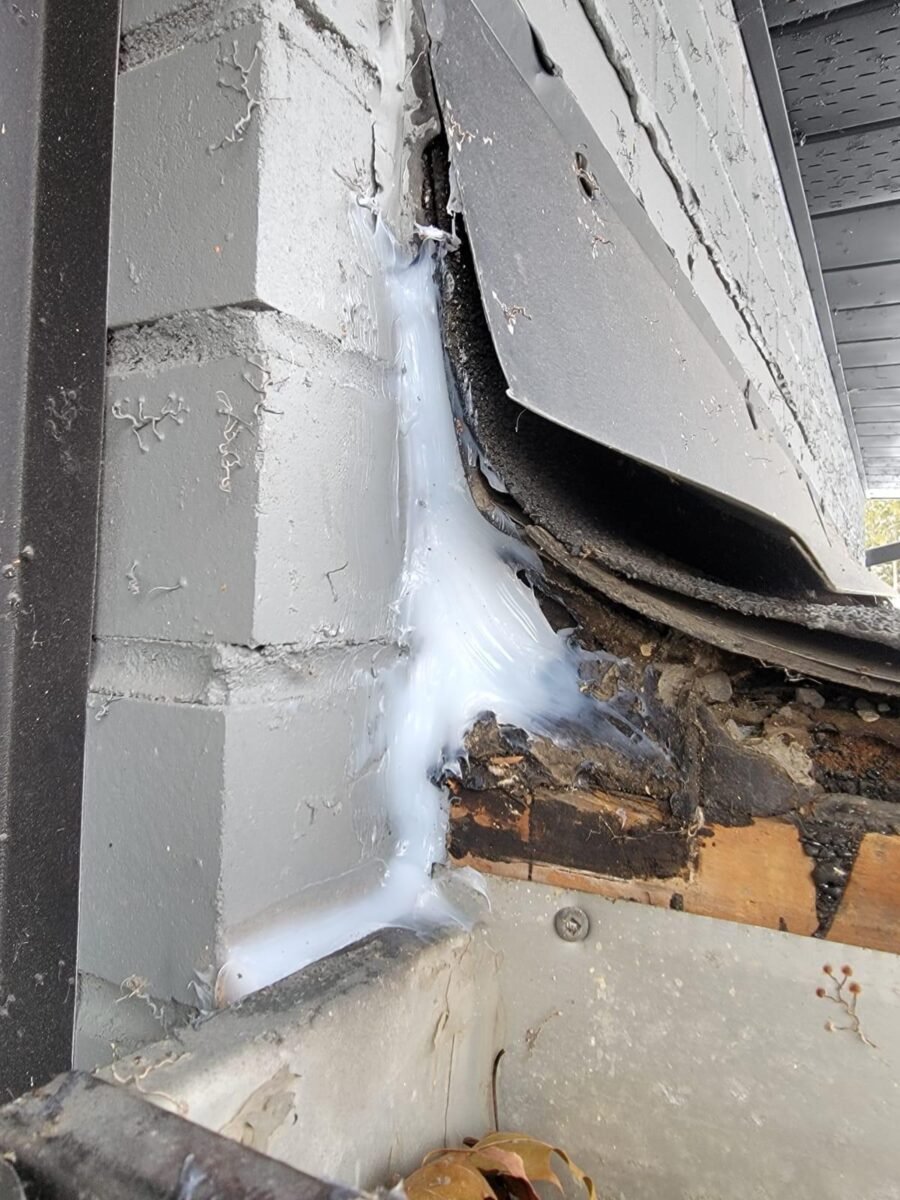
Mice can squeeze through openings as small as a dime. Foundation cracks, gaps around utility pipes, and unprotected vents and window wells are the most common basement entry points in Scarborough homes. These hidden openings often go unnoticed until mice are already inside.
If you notice these signs, contact our team for professional rodent control in Scarborough immediately.
Get Free Quote5. Clutter Creates Ideal Nesting Conditions
Basements often double as storage areas, which unintentionally supports infestations. Cardboard boxes, insulation, and other stored materials provide excellent nesting material. Cluttered spaces also make it harder to detect early signs of mice, allowing infestations to grow unnoticed.
How Mice Get Into Scarborough Homes During Winter
During winter, mice in Scarborough homes become more active as they search for warmth and food. Most infestations begin quietly, through entry points homeowners rarely notice. Mice are extremely flexible and opportunistic, which allows them to access homes through surprisingly small openings and travel unseen once inside.
How Small Gaps Mice Can Fit Through
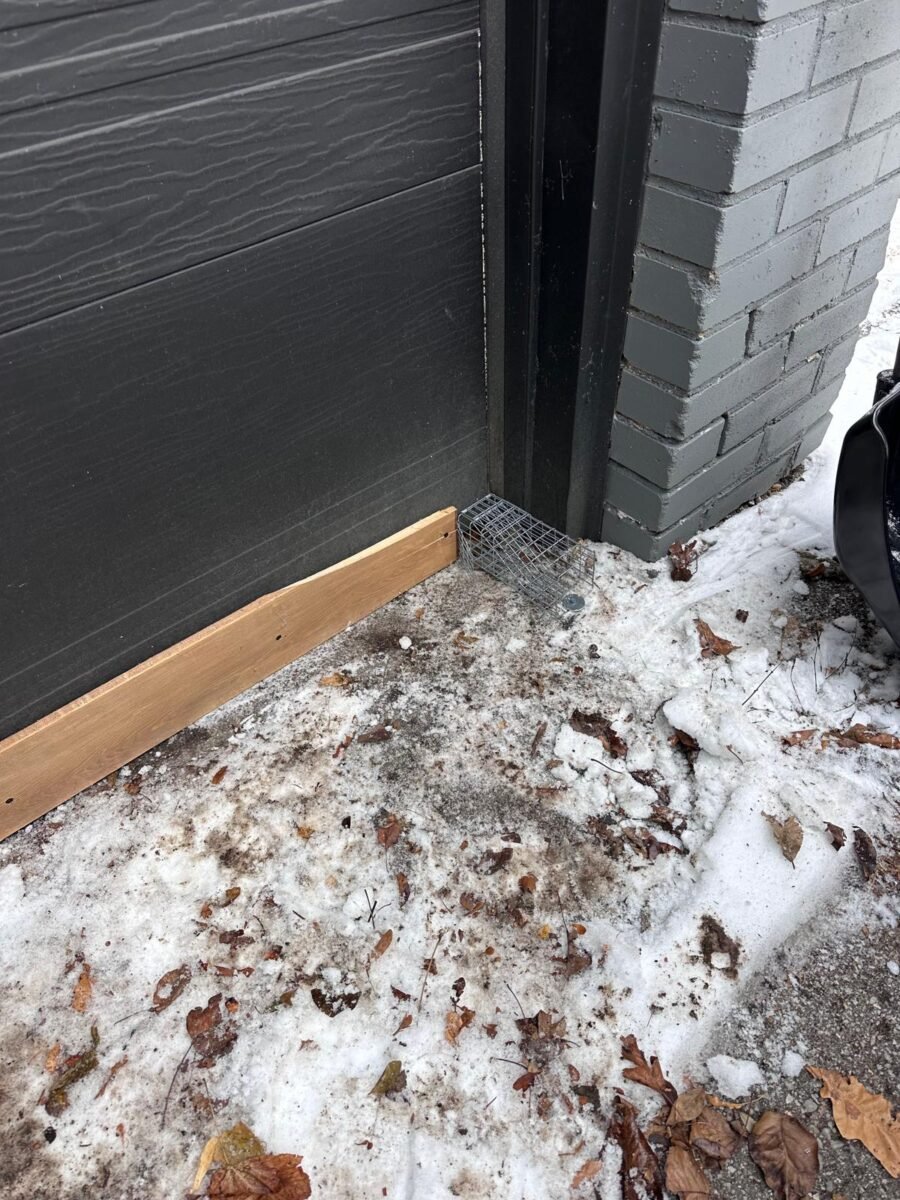
A mouse can squeeze through openings as small as a dime-sized gap. Tiny cracks in foundations, loose siding, and worn weather stripping are enough for entry. Even minor structural wear caused by GTA winter freeze–thaw cycles can create new access points each year.
Common Basement Access Points
Basements are the most common entry zone in winter. Mice typically enter through foundation cracks, gaps around utility pipes, vents, and window wells. These areas are often hidden behind storage or insulation, allowing mice to enter without immediate detection.
Mouse Movement Through Walls and Floors
Once inside, mice rarely stay in one place. They move freely through wall cavities, floor gaps, and ceiling voids using plumbing lines and wiring as pathways. This hidden movement makes basement infestations spread quickly to kitchens, pantries, and upper floors.
Signs of Mice in Your Basement
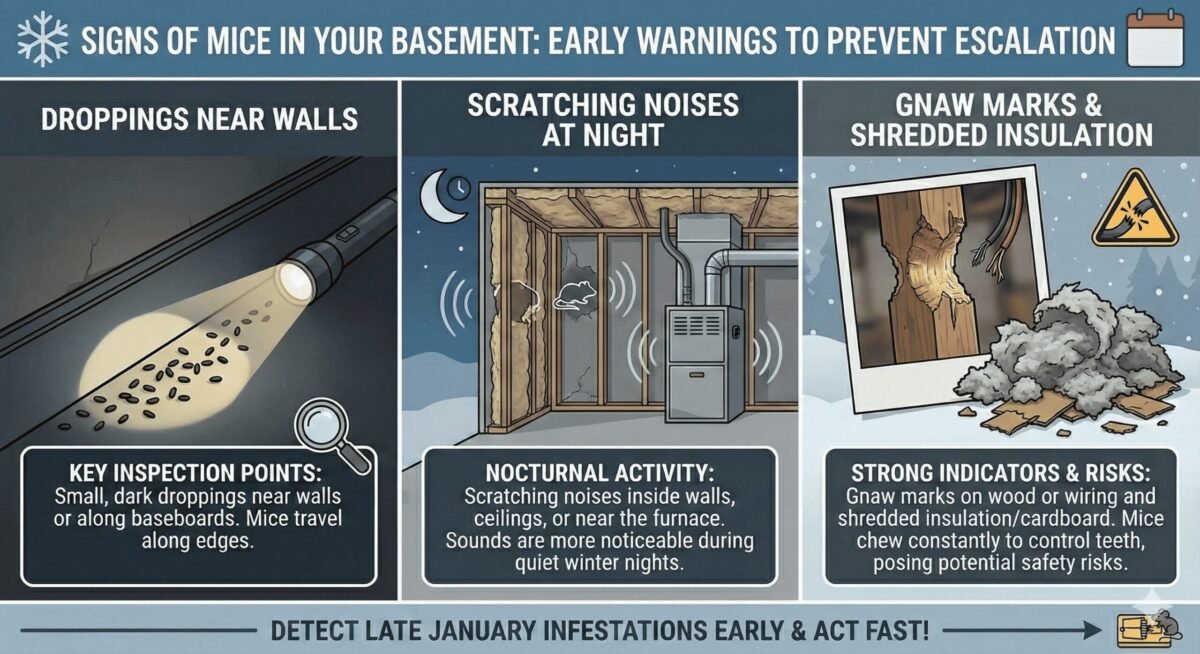
January infestations are often detected late because mice stay hidden. Knowing the early warning signs helps prevent escalation.
Droppings Near Walls
Small, dark mouse droppings near walls or along baseboards are one of the first signs of activity. Mice tend to travel along edges, making these areas key inspection points.
Scratching Noises at Night
Mice are nocturnal. Scratching noises at night inside walls, ceilings, or near the furnace often indicate nesting or movement. These sounds become more noticeable during quiet winter nights.
Gnaw Marks and Shredded Insulation
Mice chew constantly to control their teeth. Gnaw marks on wood or wiring and shredded insulation or cardboard are strong indicators of an active infestation and potential safety risks.
Are Basement Mice Dangerous for Your Home and Health?
Yes, basement mice are more than a nuisance. They pose both structural and health-related risks, especially when infestations go untreated.
Property Damage Risks
Mice cause damage by chewing through drywall, wood, and insulation, reducing energy efficiency and increasing repair costs. Basements often suffer the most damage due to prolonged hidden activity.
Electrical Fire Hazards
Fire safety organizations warn that rodents chewing on electrical wiring are a common but often overlooked cause of residential fires. Chewed electrical wiring is a serious concern. Mouse-related wire damage is a known cause of electrical fire hazards, particularly in basements where wiring is exposed.
Disease and Contamination Concerns
Mice contaminate surfaces with droppings and urine, increasing the risk of diseases such as Salmonella, hantavirus, and leptospirosis. Contaminated storage areas and HVAC systems can spread bacteria throughout the home. Because mouse droppings can carry harmful bacteria and viruses, homeowners should learn how to clean mouse droppings safely to avoid exposure during basement cleanup.
Why Mouse Problems Escalate Quickly in Winter
Winter infestations tend to worsen faster than those in warmer months due to hidden nesting and delayed detection.
Rapid Mouse Breeding Cycles
A single pair of mice can produce multiple litters in one winter. These rapid mouse breeding cycles mean a small problem can become a full infestation in weeks.
Hidden Infestations in Basements
Basements provide privacy and warmth, allowing hidden infestations to grow undisturbed behind walls, insulation, and stored items.
Delayed Detection During Cold Months
Windows stay closed, and basements are used less frequently in winter. This delayed detection during cold months gives mice more time to spread before homeowners realize there’s a problem.
How to Keep Mice Out of Scarborough Basements in Winter
Preventing mice in winter is far easier and safer than dealing with an active infestation. Because Scarborough winters drive rodents indoors, proactive basement protection is essential to keep mice out for good. For homeowners dealing with recurring winter infestations, understanding the best way to get rid of mice is critical, as effective removal combines eliminating active rodents with sealing entry points and long-term prevention strategies.
Seal Basement Entry Points
The most effective way to stop mice is to block how they get inside. Since mice can squeeze through very small openings, sealing even minor gaps makes a big difference. Foundation sealing helps close cracks created by freeze–thaw cycles, while vent and pipe protection prevents mice from entering through utility openings. Metal mesh, steel wool, and weather-resistant sealants are especially effective against rodents.
Eliminate Winter Food Attractants
Food is a major reason mice stay once they enter a home. Removing attractants reduces the chance of infestation. Focus on proper food storage by using airtight containers for pantry items and pet food. Good garbage management, including sealed bins and regular disposal, prevents basements from becoming a reliable food source for mice.
Reduce Basement Clutter
Cluttered basements provide perfect hiding and nesting spots. Reducing clutter makes your basement less attractive and easier to inspect. Use safe storage practices, such as plastic bins instead of cardboard boxes, and prioritize removing nesting materials like paper, fabric, and loose insulation. A clean basement exposes early warning signs before infestations escalate.
Maintain the Exterior of Your Home
Mouse prevention doesn’t stop indoors. Outdoor conditions directly affect winter infestations. Trimming vegetation away from foundations removes hiding routes, while managing snow and debris near foundations prevents mice from burrowing close to entry points. A clear perimeter reduces the chances of rodents finding their way inside.
When to Call a Professional Mouse Control Service in Scarborough
Sometimes, prevention isn’t enough, especially during peak winter months. Knowing when to call a professional can prevent serious damage.
Signs of Ongoing Infestation
If you notice droppings returning after cleanup, persistent scratching sounds, or new gnaw marks, these are clear signs of ongoing infestation that require professional attention.
Repeated Mouse Activity
Catching one mouse doesn’t mean the problem is solved. Repeated mouse activity often indicates hidden nests behind walls or insulation, especially common in basements during winter.
Winter Extermination Benefits
Professional winter services are more effective because mice are concentrated indoors. Winter extermination benefits include targeted removal, entry-point sealing, and preventing spring population explosions.
Professional Mouse Control for Scarborough Homes
For reliable, long-term protection, professional services combine experience, humane methods, and preventative expertise.
Winter Inspections
A thorough winter inspection identifies hidden entry points, nesting areas, and structural vulnerabilities that homeowners often miss.
Humane Mouse Removal
Trusted providers use humane mouse removal methods that safely eliminate rodents without unnecessary harm, while ensuring they cannot return.
Long-Term Prevention Strategies
Effective control goes beyond removal. Services such as Wildlife Removal Toronto offer comprehensive rodent solutions, including sealing, exclusion, and monitoring. Their dedicated service page on rodent control highlights proven, long-term strategies designed for Toronto and Scarborough winter conditions, helping homeowners stay protected year after year.
Conclusion
Mice don’t enter Scarborough basements in January by chance; it’s a survival response to cold weather, limited food, and easy access to warmth. Unfortunately, once they’re inside, infestations can grow quickly, leading to property damage, health risks, and costly repairs. But prevention works. Sealing entry points, reducing food attractants, and keeping basements organized can significantly lower the risk.
And when mice keep coming back, professional help makes all the difference. Trusted services like Wildlife Removal Toronto provide humane removal, winter inspections, and long-term solutions designed specifically for Toronto and Scarborough homes. Act early, stay proactive, and you can enjoy a warm, mouse-free winter without unwanted surprises in your basement.
Frequently Asked Questions
Mice enter basements in January to escape freezing temperatures, find food, and access warm, hidden shelter inside homes.
Yes. Winter is peak season for mouse infestations because rodents stay active and move indoors for survival.
Mice enter through small foundation cracks, gaps around pipes, vents, and window wells, and even openings as small as a dime.
Yes. Mice can damage wiring, contaminate surfaces with droppings, and spread diseases like salmonella and hantavirus.
Warmth, clutter, stored food, pet food, cardboard boxes, and insulation are major attractants for mice.
Seal entry points, store food properly, reduce clutter, maintain your home’s exterior, and schedule professional inspections.
If you notice repeated mouse activity, scratching sounds, or droppings, it’s best to call a professional immediately, especially in winter.