Did you know that Toronto is home to one of the densest urban wildlife populations? In some neighbourhoods, there are almost 100 raccoons per square kilometer along with a large number of squirrels, skunks, bats, and rodents.
While these animals are a significant part of this iconic city, their growing presence creates serious problems for Toronto’s residents. They invade houses in search of food, shelter, and warmth, and leave behind the risks of diseases, costly damage, and pest infestations. Keep reading to uncover the top 5 risks of having wild animals in your home.
Health Hazards
One of the most serious dangers of having wild animals in your home is the risk to your family’s health. Wildlife, including raccoons, squirrels, skunks, opossums, and rodents, carries dangerous bacteria, viruses, and parasites. They leave droppings, urine, and nesting material that can contaminate the environment and spread diseases.
Bacteria and Parasites
Once inside, animals contaminate surfaces, food, and water resources, leaving behind bacteria, viruses, and parasites. Their droppings can harbour roundworm eggs and spread fungi that cause deadly diseases. These health hazards are eliminated by thorough cleanup and sanitization. A professional cleanup service is the only way to restore your space’s hygiene.
Deadly Diseases
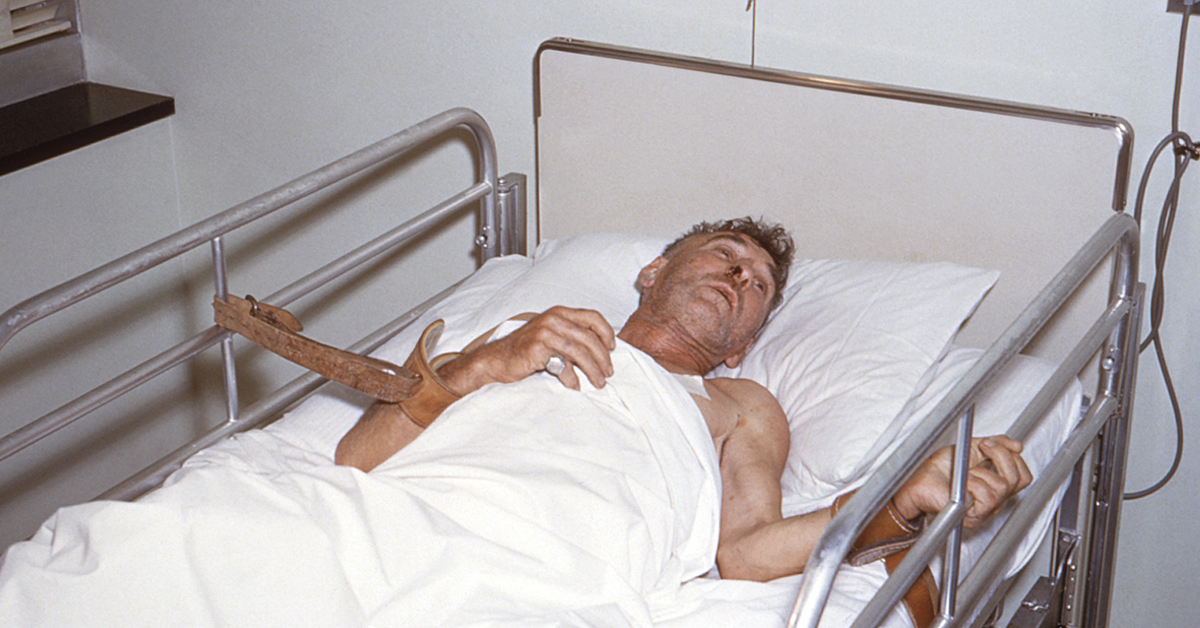
Rabies
Rabies is a viral disease that attacks the nervous system, and it can be fatal if it is not treated in time. In many cases, rabies spreads through the scratches and bites of wildlife, especially raccoons, skunks, and bats, which are the most common carriers of the virus. These animals can transmit the infection even when the wound seems small, making it important to seek medical attention immediately after any contact.
Hantavirus
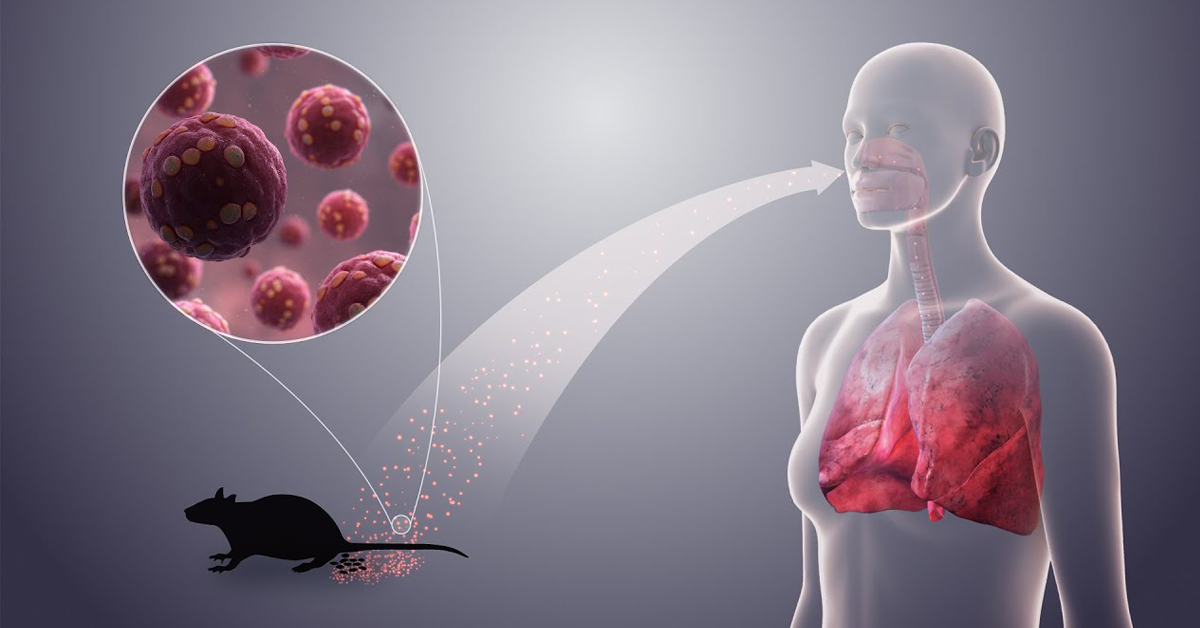
Hantavirus is an airborne disease that can lead to serious respiratory illnesses when a person breathes in contaminated particles. This virus is commonly spread through contact with the urine, droppings, or saliva of infected rodents, even when the exposure is indirect. Because the virus becomes airborne easily, areas with rodent activity should be cleaned carefully to reduce the risk of infection
Leptospirosis
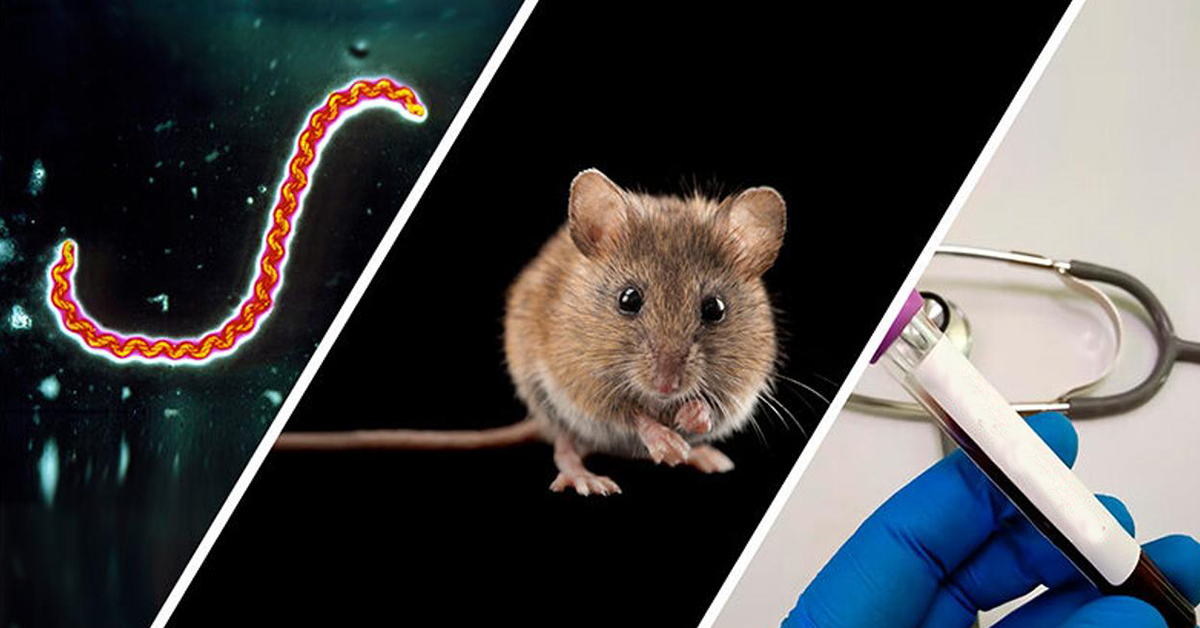
Leptospirosis is a bacterial infection that can cause serious liver and kidney damage in both pets and humans if it is not treated quickly. The bacteria spread when a person or animal comes into contact with surfaces or water that have been contaminated by the urine of raccoons, skunks, rats, or other infected wildlife. Even small traces of contaminated moisture can carry the bacteria, making it important to avoid areas where these animals are active.
Histoplasmosis
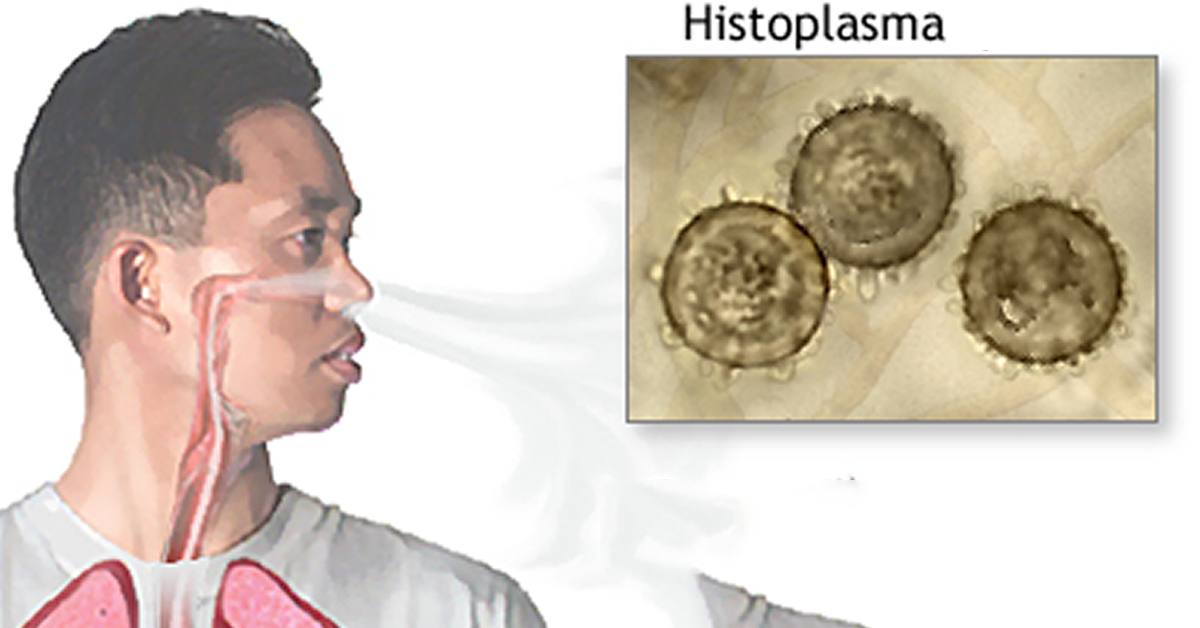
Histoplasmosis is a fungal disease that can cause significant damage to the lungs and respiratory system when the spores are inhaled. Wildlife waste often carries these harmful pathogens, and when the droppings dry out, the particles can become airborne and spread through dust. Direct contact with contaminated waste or breathing in these particles can lead to illnesses such as histoplasmosis and salmonellosis, making proper cleanup extremely important.
Allergies and Asthma
The presence of animal wastes and nests can trigger allergies and asthma in people with respiratory disorders. Also, some wildlife, like wasps, can attack without any reason, and their stings trigger allergic reactions, itching, redness, and swelling. Our wasp removal Toronto services include nest removal and cleanup services to eradicate the potential causes of diseases and allergies.
Physical Injuries
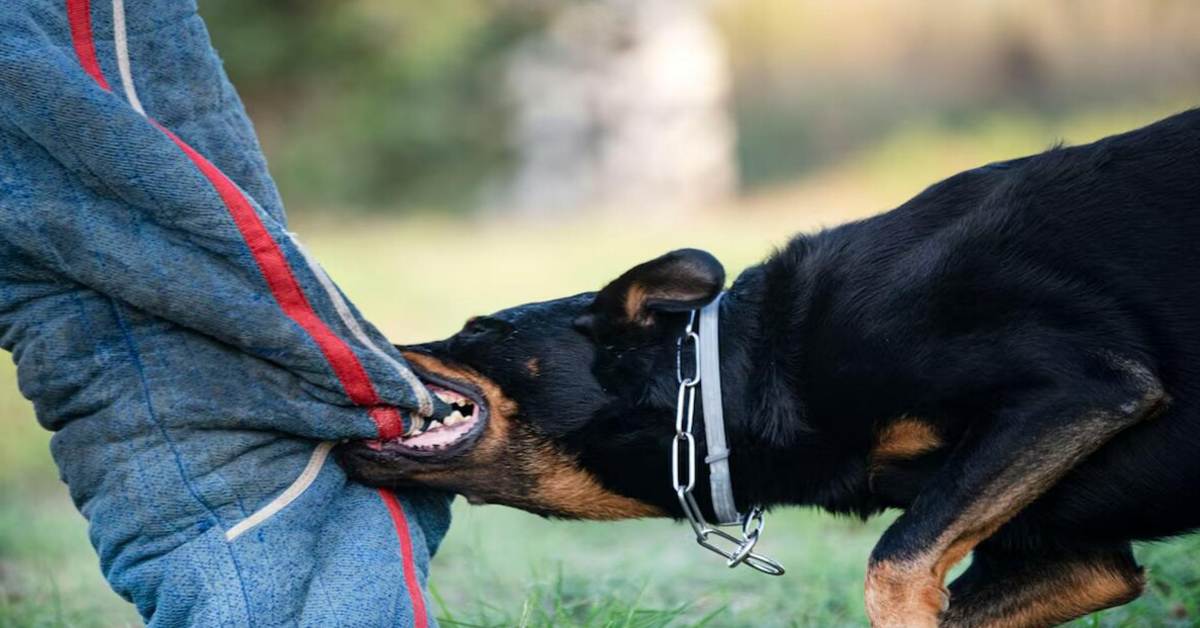
When wild animals invade a space, they prefer to avoid human contact. However, raccoons, squirrels, skunks, and bats can bite or scratch if they are cornered or frightened. Such attacks can result in painful wounds or infections, which may lead to potential diseases like rabies.
Risk to Property
Aside from severe health issues, wildlife causes significant damage to homes. These tiny intruders can nest anywhere, leaving droppings that contaminate surfaces and block drains, creating an unsanitary situation in the locality and leading to costly repairs and replacements.
Get in Touch
Contact Wildlife Removal team for professional, reliable, and affordable repair services for minor damage caused by wildlife in Toronto, ensuring your home is restored quickly, safely, and with expert care so you can enjoy complete peace of mind.
Structural Damage
Raccoons, squirrels, and opossums cause significant damage to roofs while invading a house. They rip apart shingles, wall covers, and also chew soffits and wooden beams. Skunks dig burrows in gardens and patios that weaken the foundation and compromise the integrity of buildings.
Blocked Drains
Wildlife built nests in attics, under decks, basements, and on roofs. Their nesting material clogs drains and blocks gutters. This led to water leakage and mold, leading to expensive repairs.
Insulation Damages
Squirrels and rodents shred insulation to make nests. They also damage AC units and cause havoc, which can reduce efficiency and increase bills. Wasps make nests in walls, vents, sheds, soffits, under decks, and on roofs, which gradually weaken the infrastructure over time.
Contamination
Once inside, animals contaminate surfaces, water, and food resources. They urinate anywhere and leave feces, which can contaminate insulation, spread bacteria, and create lasting, unpleasant odours. Contamination necessitates professional cleanup to eliminate health hazards and prevent structural damage.
Noise and Daily Disruptions
The presence of wildlife is loud and disruptive. They nest in attics and basements where they cause constant scratching, thumping, rustling, and squeaking noises. These noises in the early morning and at night indicate nesting or breeding activity, which gets worse over time.
Such continuous sounds, droppings, and nesting material cause annoyance and disruption, which further lead to anxiety, stress, and sleepless nights.
Fire Hazards from Chewing Wires
A recent study shows that about 50% of house fires are caused by chews on electrical wiring by these tiny creatures. One of the most significant risks of having wildlife in your home is the potential for fire hazards.
Rodents and squirrels chew on wires with their sharp teeth, leaving the live wires exposed. This results in short circuits and sparks, which lead to massive house fires. Nesting material, paper, and feathers near insulation can also erupt into fire, turning a small infestation into a life-threatening emergency.
Now you can book an appointment online for squirrel removal toronto and rodent control services in Toronto!
Long-term Pest Infestations
Last but not least, pest infestation is also among the top 5 risks of having wildlife animals in your home. Wildlife problems in ever-growing neighbourhoods like Toronto can get worse over time. These animals carry and spread ticks, fleas, and mites. Their nests attract other pests like ants, rats, and mice, giving rise to secondary infestations. Without professional exculsion, homeowners face a continuous and never-ending cycle of major and minor infestations.
How to Protect Your Home from Wildlife Invasions?
Wildlife should never be allowed in homes and offices, and the best way to avoid them is to stop the infestation before it starts. Here are some tips to prevent your space from intrusions:
- Seal the entry points such as roof vents, chimneys, gaps in walls, and siding.
- Do not feed any wildlife animals around your property
- Do not leave food resources uncovered.
- Use locking lids to seal the trash cans tightly. Empty them frequently.
- Inspect your surroundings and check for any signs of invasion.
However, prevention is not foolproof all the time. In case of any infestation, call Wildlife Removal Pro for emergency wildlife removal services in Toronto.
Why is Wildlife Removal the Safest Solution?
Handling wildlife problems on your own is dangerous, as animals can attack at any time. DIY repellents and solutions are also limited, as they do not treat the root cause of infestations. Our wildlife removal services in Toronto offer comprehensive solutions for raccoon removal, squirrel removal, and cleanup. We ensure humane and practical solutions to safeguard your property and loved ones.
Book a free quote now!
Frequently Asked Questions
Raccoons, squirrels, skunks, opossums, rodents, snakes, and birds such as pigeons are the most common intruders in Toronto.
Wildlife removal cost depends on the severity of the infestation and the type of animal. At Wildlife Removal Pro, we ensure the lowest possible prices, seasonal discounts, and flexible payment packages.
The most common signs of wildlife invasion include noises, droppings, nesting material, foul odours, increased pest activity, and visible damage to roofs or vents.