
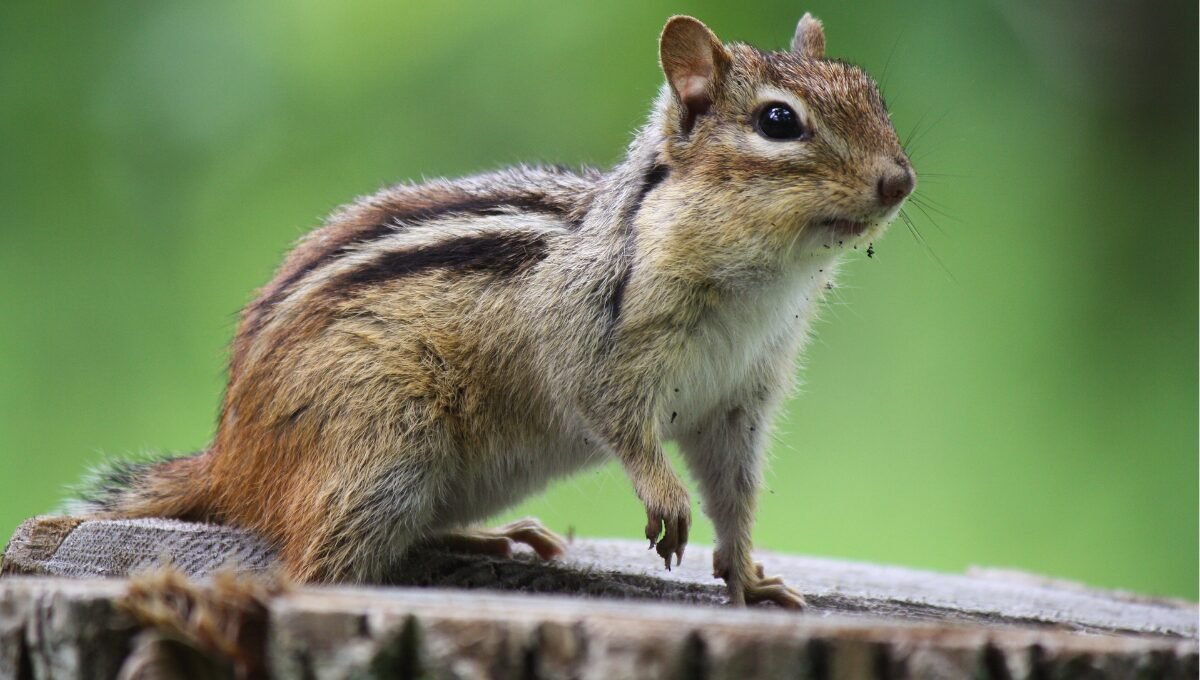
Chipmunks may look small and harmless, but they can quickly become a serious nuisance when they start digging tunnels around homes and gardens. In many Toronto properties, what begins as a few small holes often turns into a network of underground burrows beneath patios, walkways, and garden beds.
In several inspections handled by Wildlife Removal Pro, early signs like chipmunks running across patios or disappearing under decks were linked to much larger hidden tunnel systems. Addressing the issue early is important to prevent long-term property damage.
How to Identify Chipmunks: Key Signs, Appearance & Behavior

Before trying any removal method, homeowners should first confirm that the animal causing the problem is actually a chipmunk.
Chipmunks are small ground-dwelling rodents with brown fur and distinctive dark stripes along their backs. Unlike squirrels, they spend most of their time on the ground and prefer underground burrows.
During inspections in Toronto neighbourhoods, we often see chipmunks quickly running between gardens, fences, and stone walls while carrying seeds or nuts in their cheeks.
If homeowners are unsure about the species around their property, learning about the types of chipmunks can help identify their behaviour and nesting habits.
Why Chipmunks Come to Your Yard: Causes & What Attracts Them
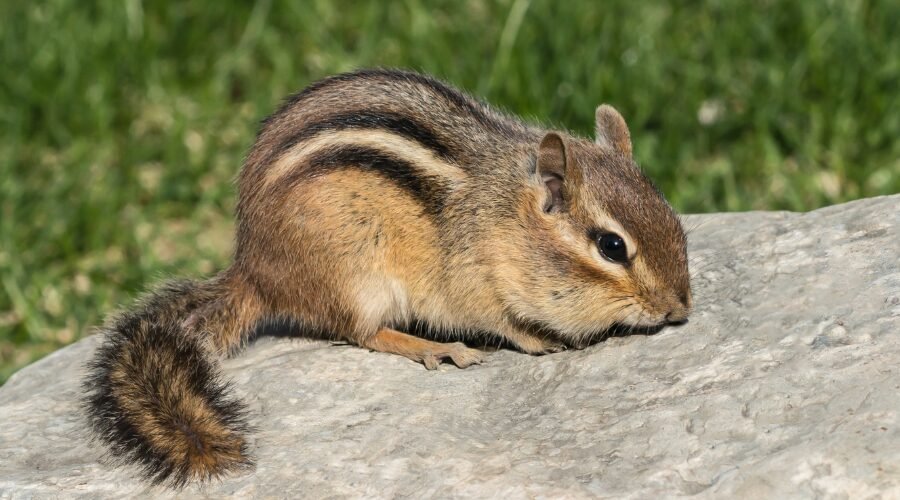
Chipmunks are attracted to yards that provide easy food and shelter. In many homes we service across Canada, the biggest attractants are bird feeders and backyard gardens.
Common reasons chipmunks invade yards include:
- Bird seed falling from feeders
- Fruits and vegetables in gardens
- Flower bulbs planted in soil
- Wood piles or stone walls for shelter
- Soft soil near foundations that is easy to dig
In one recent inspection job, a homeowner contacted us because chipmunks were digging around their backyard patio. After checking the area, we found several burrows directly under a bird feeder that had been dropping seed for weeks.
Understanding what chipmunks eat often helps homeowners remove these attractants and reduce chipmunk activity around the house.
Signs You Have a Chipmunk Problem
Chipmunks are active during the day, so homeowners often notice them before seeing damage.
Common signs include:
- Small round holes in the yard
- Soil piles near garden beds
- Missing flower bulbs
- Chipmunks running across patios or fences
- Scratching sounds under sheds or stairs
During inspections we often find multiple burrow entrances hidden near landscaping stones or foundation edges.
Chipmunk Burrows and Damage
Chipmunks build complex underground tunnels that can stretch several feet beneath yards and outdoor structures. In many Toronto properties we inspect, burrows are commonly located:
- Under decks
- Beneath concrete walkways
- Around retaining walls
- Inside garden beds
- Near house foundations
Although chipmunks rarely damage the inside of homes, their tunnels can weaken soil and cause patios, steps, or walkways to shift over time.
Chipmunk Control
Effective chipmunk control focuses on reducing food sources, blocking burrows, and making your yard less attractive for nesting.
During wildlife inspections we usually recommend a combination of prevention and habitat modification to solve the problem.
8 Safe & Effective Methods to Get Rid of Chipmunks
1. Remove Food Sources
Bird seed is one of the biggest reasons chipmunks stay around homes.
Homeowners should:
- Clean fallen seeds under feeders
- Store bird food in sealed containers
- Avoid leaving pet food outdoors
- Harvest fruits and vegetables quickly
2. Fill Chipmunk Holes
To get rid of chipmunk holes, inactive tunnels should be filled with gravel or packed soil.
Covering the area with rocks or landscaping stones helps discourage chipmunks from digging again.
3. Protect Garden Beds
Installing hardware cloth or mesh under soil can prevent chipmunks from digging up plants and bulbs.
This method is especially helpful for homeowners trying to get rid of chipmunks in the garden.
4. Reduce Shelter Areas
Wood piles, tall grass, and dense shrubs can provide hiding places for chipmunks.
Removing these areas makes yards less attractive for nesting.
5. Install Deck Barriers
During inspections we frequently find burrows starting directly beneath decks or stairs.
Installing metal mesh barriers around these structures can prevent chipmunks from digging underneath.
6. Use Natural Repellents
Some homeowners try natural deterrents like:
- Garlic spray
- Peppermint oil
- Hot pepper mixtures
These solutions may temporarily discourage chipmunks but usually require frequent application.
7. Live Trapping
Wildlife technicians sometimes use humane live traps to capture chipmunks safely.
In one removal job in Toronto, we trapped several chipmunks that had built tunnels under a front walkway and relocated them according to wildlife regulations.
8. Professional Wildlife Removal
If chipmunk activity continues despite prevention efforts, professional wildlife removal may be necessary.
A technician can:
- Locate active burrows
- Safely trap animals
- Seal entry points
- Prevent future infestations
Conclusion
Chipmunks are common backyard wildlife in Canada, but their digging and nesting habits can quickly create problems for homeowners. In many Toronto properties we inspect, the issue begins with small burrows near patios or garden beds and gradually spreads as chipmunks continue searching for food and shelter.
The most effective way to get rid of chipmunks is by removing food sources, sealing burrows, and making your yard less attractive for nesting. If chipmunks continue to return or multiple tunnels appear around your home, a professional wildlife inspection can help identify hidden burrows and prevent the infestation from growing.
FAQs
What smells keep chipmunks away?
Strong scents like garlic, peppermint oil, vinegar, and hot pepper sprays may temporarily repel chipmunks.
What is the best killer for chipmunks?
Wildlife experts usually avoid poisons because they can harm pets and other wildlife. Humane trapping and prevention methods are safer.
What do chipmunks hate the most?
Chipmunks dislike strong smells, loud disturbances, and areas where food sources are limited.
What attracts chipmunks to your house?
Bird seed, fruits, vegetables, and sheltered areas such as decks or rock walls often attract chipmunks to homes.
How do you get rid of chipmunks fast naturally?
Removing food sources, sealing burrows, and installing garden barriers are among the fastest natural ways to reduce chipmunk activity.
