
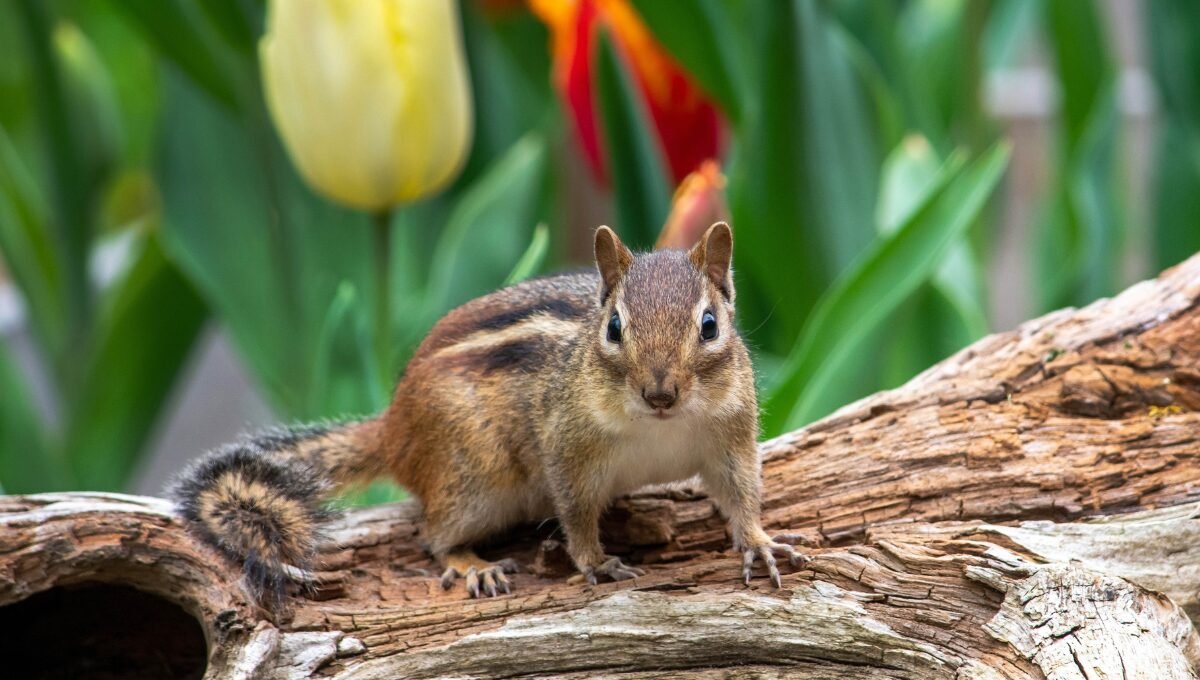
Chipmunks may look harmless in the yard, but when they move inside or around your home, they can quickly become a problem. During inspections we often find chipmunks digging tunnels along foundations, crawl spaces, and under porches where they create hidden burrows.
In many homes we service, homeowners usually notice unusual scratching sounds, small entry holes near the house, or disturbed soil around the property. While chipmunks rarely stay inside living spaces, they can still cause structural damage and attract other wildlife if the infestation is not addressed early.
Signs of Chipmunk Infestation in House
During inspections, we commonly identify chipmunk infestations through these signs:
- Small burrow holes around the foundation
- Soil piles near patios, stairs, or decks
- Scratching noises coming from walls or crawl spaces
- Chewed insulation or stored food items
- Garden damage close to the house
Homeowners usually notice these signs after seeing chipmunks repeatedly entering the same hole near the building. Understanding their behaviour and diet is also important, which is why many people research what chipmunks eat to identify attractants around their property.
Why Are Chipmunks Getting in My House?
Chipmunks typically enter homes because they are searching for shelter, food, or safe nesting areas. In many inspections we perform, the main reasons include:
- Gaps around foundations or vents
- Open spaces under decks and sheds
- Nearby gardens providing easy food sources
- Bird feeders dropping seeds on the ground
In one recent removal job, we found several chipmunk burrows underneath a backyard deck where fallen birdseed had created a steady food supply.
Chipmunk Disadvantages Around Homes
Although chipmunks are part of the natural ecosystem, they can create several problems when living close to houses.
- Structural damage: Burrows can weaken patios, stairs, and walkways
- Garden destruction: Chipmunks eat vegetables, fruits, and bulbs
- Food contamination: They may store food inside crawl spaces
- Attracting predators: Their activity can attract snakes or other animals
Homeowners dealing with these issues often start looking for practical ways to get rid of chipmunks before the problem grows.
How to Catch a Chipmunk in Your House

When chipmunks enter indoor spaces or crawl areas, humane trapping is often the safest solution.
Common trapping steps include:
- Use a small live trap designed for rodents.
- Place bait such as sunflower seeds or peanut butter inside the trap.
- Position the trap near the burrow entrance or activity area.
- Check traps regularly and release animals according to local wildlife regulations.
During wildlife removal jobs, we usually place traps near burrow openings because chipmunks follow the same travel paths every day.
How Do I Get Rid of a Chipmunk Infestation?
The most effective solutions involve a combination of prevention and removal.
- Seal Entry Points
Close small holes around foundations, vents, and crawl spaces. - Remove Food Sources
Clean up birdseed, fallen fruits, and garden scraps. - Use Natural Repellents
Strong smells such as peppermint or garlic can discourage chipmunks. - Install Barriers
Mesh fencing around gardens prevents digging. - Professional Wildlife Removal
If multiple burrows are present, professional inspection may be required.
What Home Remedy Keeps Chipmunks Away?
Several natural solutions can help deter chipmunks from homes:
- Peppermint oil spray around burrows
- Garlic or cayenne pepper powder near entry points
- Motion-activated sprinklers in gardens
- Removing bird feeders temporarily
These remedies work best when combined with removing food sources and sealing entry points.
What Smells Do Chipmunks Hate?
Chipmunks dislike strong odors that signal predators or unpleasant environments.
Common deterrent smells include:
- Peppermint oil
- Garlic
- Vinegar
- Cayenne pepper
- Predator urine products
Applying these smells around burrow entrances or garden borders can help discourage chipmunk activity.
Conclusion
Chipmunk infestations in houses usually begin with small burrows near foundations or easy food sources around the property. While these small rodents may appear harmless, their digging and nesting habits can damage structures and gardens over time.
Early detection, removing attractants, sealing entry points, and using humane traps are the most effective ways to control chipmunk infestations. If the problem continues or multiple burrows appear around the home, professional wildlife removal can safely identify and remove the animals while preventing future infestations.
How do I get rid of a chipmunk infestation?
Remove food sources, seal entry points, and use humane traps near burrow openings.
Why are chipmunks getting in my house?
They are usually attracted by food, shelter, or safe nesting spaces near foundations and crawl spaces.
What home remedy keeps chipmunks away?
Peppermint oil, garlic powder, and cayenne pepper are commonly used natural deterrents.
What smells do chipmunks hate?
Chipmunks dislike peppermint, vinegar, garlic, and predator scent products.
