
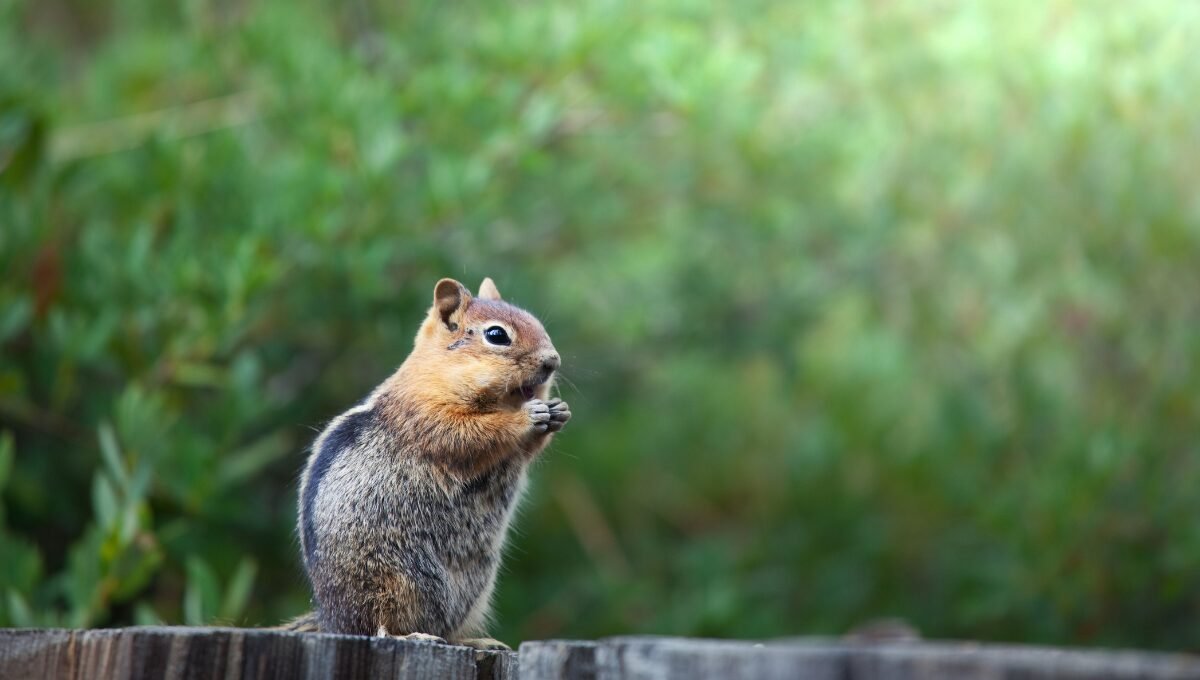
Chipmunks are small, striped rodents that can cause significant damage to gardens worldwide. During inspections in Toronto, we often see homeowners frustrated with chipmunks digging around flower beds, nibbling vegetables, and disturbing bulbs.
In many gardens, chipmunks are attracted by bird feeders, fruit trees, and loose soil, making it essential to take preventive measures. Understanding why chipmunks come into gardens and the best ways to repel them can save plants and flowers while avoiding harm to the animals.
Signs You Have Chipmunks In Your Garden
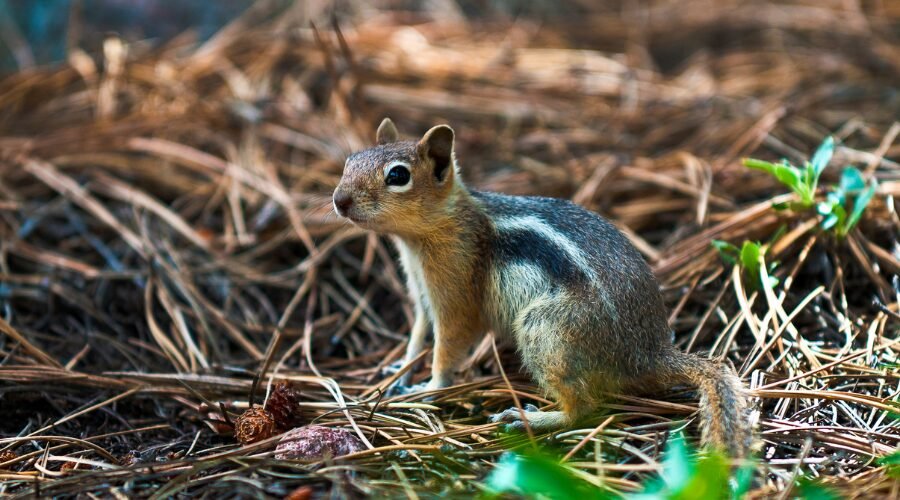
During inspections we often find the following signs of chipmunk activity:
- Small burrows near garden edges or under shrubs
- Nibbled vegetables, fruits, or bulbs
- Chewed seeds or fallen nuts
- Tracks or droppings along garden paths
Homeowners usually notice holes around flower beds or garden borders. In one recent removal job, we observed chipmunks repeatedly entering a backyard through a small gap under a fence.
How to Keep Chipmunks Out of Your Garden
1. Install Mesh or Wire Fencing
Create barriers around your garden with fine mesh to prevent chipmunks from entering. Ensure fencing extends a few inches below the soil to block burrows.
2. Remove Food Sources
Clear fallen seeds, nuts, and fruits. Secure compost bins and avoid leaving pet food outside. During inspections we often advise homeowners to also review their Types of Chipmunks so they know which species are likely attracted to specific plants.
3. Use Natural Repellents
Chipmunks dislike strong scents like garlic, peppermint, cayenne pepper, or predator urine. Sprinkling these near burrows and garden edges can deter them.
4. Plant Chipmunk-Repelling Plants
Certain plants, like daffodils and alliums, naturally discourage chipmunks from digging nearby.
5. Mulch Carefully
Avoid thick, loose mulch near seedlings, as chipmunks use it for burrowing.
6. Motion-Activated Sprinklers
Startle chipmunks with water sprays triggered by movement.
7. Traps for Relocation
In some cases, humane traps can be used to remove persistent chipmunks. Always check local wildlife regulations before relocating animals. For removal techniques, homeowners can also refer to our detailed guide on How to Get Rid of Chipmunks.
8. Secure Garden Structures
Seal gaps under sheds, decks, and raised beds. Chipmunks often burrow in hidden spaces.
Conclusion
Keeping chipmunks out of gardens requires a combination of prevention, deterrence, and habitat management. Regular inspection and removing attractants, combined with fencing or repellents, usually solve the problem. For persistent issues, professional wildlife removal can locate burrows and safely remove chipmunks, protecting gardens without harming the animals.
What repels chipmunks from gardens?
Strong scents like garlic, peppermint, and cayenne pepper, along with fencing, work best.
What smells do chipmunks hate?
- They dislike peppermint, garlic, predator urine, and some chemical-free commercial repellents.
How to make chipmunks go away?
Remove food sources, install barriers, use natural repellents, and maintain tidy garden beds.
